



tig steel filler rod
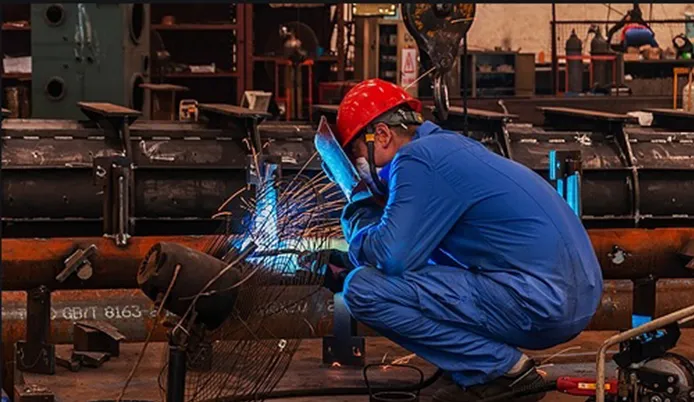
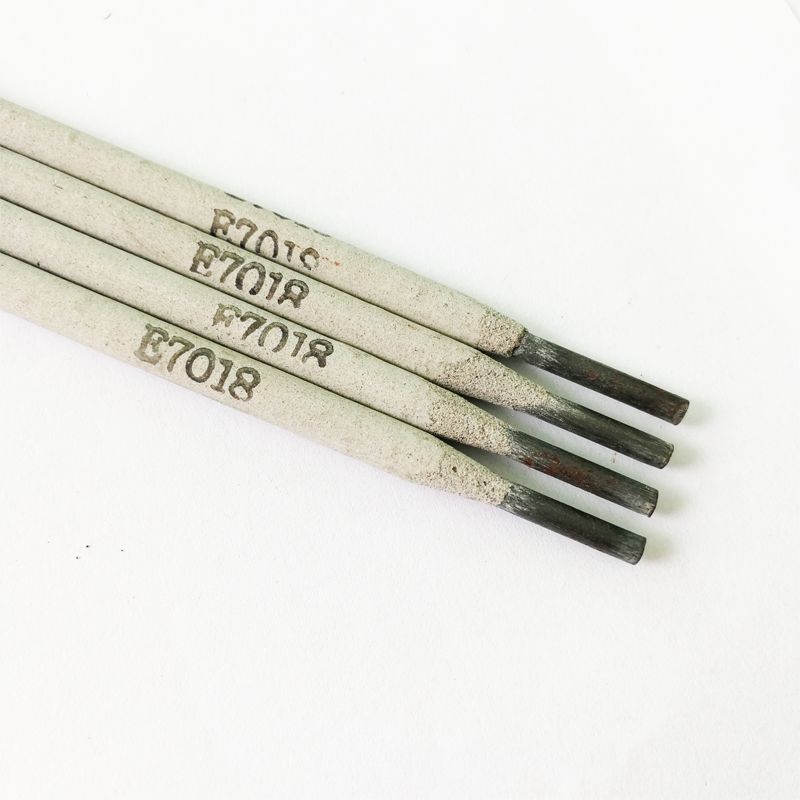
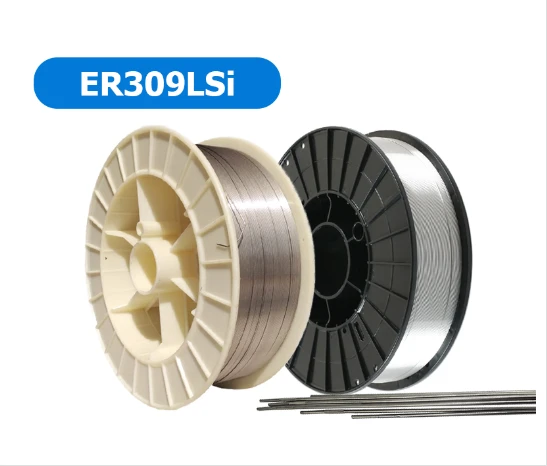
Understanding High-Performance Stainless Steel Welding: An In-Depth Look at aws e309 Electrodes In the demanding landscape of industrial fabrication and repair, the selection of appropriate welding consumables is paramount to ensuring structural integrity, corrosion resistance, and longevity. Among the most critical choices for joining dissimilar metals and overlaying stainless steel is the aws e309 electrode. This consumable plays a pivotal role in applications requiring robust welds capable of withstanding harsh environments, high temperatures, and corrosive agents. Designed for versatility and performance, aws e309 electrodes are engineered to deposit weld metal with a balanced austenitic-ferritic microstructure, providing excellent crack resistance and mechanical properties. This comprehensive guide delves into the technical intricacies, application benefits, and strategic importance of these essential welding electrodes for B2B decision-makers and engineering professionals. The demand for specialized welding solutions continues to grow across various sectors, driven by advancements in material science and increasing operational demands. Products like Supply Stainless Steel Welding Electrodes Aws E309 E309l are at the forefront of this evolution, offering tailored solutions for complex welding challenges. Industry Trends and the Role of aws e309 The global industrial landscape is increasingly adopting advanced materials and complex designs, leading to a surge in demand for high-performance welding consumables. Key trends include: Increased Use of Dissimilar Metal Welds: Industries like power generation, petrochemical, and chemical processing frequently require joining carbon or low-alloy steels to stainless steels. aws e309 and its low-carbon variant, e309l , are the go-to choices for these applications due to their ability to dilute with both base metals while maintaining a stable microstructure and minimizing hot cracking. Focus on Enhanced Corrosion Resistance: With harsher operating environments, there's a continuous push for welds that offer superior resistance to various forms of corrosion, including intergranular, pitting, and crevice corrosion. Electrodes conforming to e309 16 or e309l 15 specifications are specifically designed to meet these stringent demands, offering a rutile or lime titania coating for optimal arc stability and slag removal. High-Temperature Applications: Components in furnaces, heat exchangers, and reactors operate at elevated temperatures, necessitating weld metal with good creep resistance and oxidation stability. The robust composition of aws e309 provides the necessary metallurgical stability for these critical services. Automation and Efficiency: While manual shielded metal arc welding (SMAW) remains prevalent, there's a growing trend towards optimizing welding processes for efficiency. The excellent operability and consistent deposit quality of modern aws e309 electrodes contribute to reduced rework and improved productivity. These trends underscore the indispensable role of e309 and its variants in modern industrial fabrication, bridging material gaps and ensuring long-term operational reliability. Technical Specifications and Parameters of aws e309 The e309 classification, as defined by AWS A5.4, denotes a shielded metal arc welding electrode primarily used for welding dissimilar steels, such as stainless steel to carbon or low alloy steels, and for surfacing or cladding of carbon steels with stainless steel. The "L" suffix in e309l 15 indicates a low carbon version, which minimizes carbide precipitation and enhances intergranular corrosion resistance. Typical Chemical Composition (Wt%) of AWS E309 Weld Metal Element AWS E309 (Typical Range) AWS E309L (Typical Range) Carbon (C) 0.08 - 0.15 0.04 max Manganese (Mn) 0.5 - 2.5 0.5 - 2.5 Silicon (Si) 0.3 - 1.0 0.3 - 1.0 Chromium (Cr) 22.0 - 25.0 23.0 - 25.0 Nickel (Ni) 12.0 - 15.0 12.0 - 15.0 Molybdenum (Mo) 0.75 max 0.75 max Sulphur (S) 0.03 max 0.03 max Phosphorus (P) 0.04 max 0.04 max Typical Mechanical Properties of AWS E309 Weld Metal (As Welded) Property Value (Typical) Unit Tensile Strength 550 - 650 MPa Yield Strength (0.2% Offset) 400 - 480 MPa Elongation 30 - 45 % Impact Toughness (Charpy V-notch at 20°C) 60 - 100 J Ferrite Number (FN) 8 - 18 WRC-92 Diagram The coating type also plays a significant role. For instance, aws e309 16 indicates a rutile coating (titania type), offering excellent arc stability, smooth bead appearance, and easy slag removal, suitable for AC and DC+ current. In contrast, e309l 15 typically refers to a lime-type coating, providing deeper penetration and higher resistance to moisture pickup, ideal for DC+ applications and critical structural welding. Application Scenarios and Advantages of aws e309 The versatility of aws e309 makes it indispensable across a multitude of industries. Its unique metallurgical properties, particularly its ability to handle dilution from carbon steel, provide critical advantages: Petrochemical Industry: Used extensively for welding pressure vessels, piping, and storage tanks where dissimilar joints (e.g., A516 Gr. 70 carbon steel to 304L stainless steel) are common. The deposited e309 weld metal provides excellent resistance to the corrosive process fluids and elevated temperatures, enhancing the service life of critical infrastructure. Metallurgy and Heavy Manufacturing: For cladding carbon steel components with a stainless steel surface to impart corrosion and wear resistance without the cost of solid stainless steel. Applications include furnace parts, heat treatment fixtures, and components in steel mills. The robust nature of e309 16 ensures reliable performance under severe conditions. Power Generation: Crucial for fabricating and repairing steam turbines, boilers, and heat exchangers. The ability to manage thermal stresses and provide stable mechanical properties at high temperatures is a significant advantage. Water Supply & Drainage Systems: Employed in situations where stainless steel components need to be joined to existing carbon steel pipelines or structures, ensuring corrosion resistance in water treatment plants and desalination facilities. The low carbon e309l variant is particularly beneficial here to prevent intergranular corrosion in aqueous environments. Automotive Industry: For exhaust systems and catalytic converters, where high temperatures and corrosive gases demand durable, high-integrity welds. Beyond its core application, the technical advantages of aws e309 include its superior crack resistance, especially in joints between martensitic and austenitic steels, and its good ductility. The controlled ferrite content in the weld metal helps prevent solidification cracking, a common issue in fully austenitic welds. This results in energy saving by reducing rework and extending component lifespans through enhanced corrosion resistance and mechanical integrity. The Manufacturing Process of aws e309 Welding Electrodes The production of high-quality stainless steel welding electrodes like aws e309 involves a meticulously controlled multi-stage process, ensuring consistent performance and adherence to stringent international standards. Process Flow Overview: Core Wire Preparation: High-grade stainless steel wire, typically AISI 308 or equivalent, is drawn to precise diameters. This core wire forms the backbone of the electrode and determines the base metallurgical properties. Strict material sourcing ensures traceability and quality. Flux Material Blending: Raw materials such as rutile, lime, ferromanganese, ferrosilicon, chromium, nickel powders, and binders are precisely weighed and mixed. The composition of this flux is critical; it controls arc characteristics, slag formation, shielding gas generation, and the final weld metal chemistry. For e309 16 , a rutile-rich blend is used, while e309l 15 often uses a higher lime content. Flux Extrusion: The prepared flux mixture is compacted around the core wire using high-pressure extrusion presses. This ensures a concentric and uniformly thick coating, critical for stable arc performance. The diameter of the electrode is precisely controlled during this stage. Baking and Drying: The extruded electrodes are then subjected to a controlled baking process in ovens. This removes moisture, solidifies the flux coating, and establishes the electrode's mechanical strength and electrical properties. Precise temperature and duration cycles are maintained to prevent hydrogen embrittlement in the weld metal, crucial for crack prevention. Typically, temperatures can range from 200°C to 450°C for several hours. Tip Grinding and Branding: After baking, the arc striking end of each electrode is ground to expose the core wire, facilitating easier arc initiation. Electrodes are then branded with their classification (e.g., e309 , e309l ) and manufacturer information. Quality Control & Testing: A rigorous testing regimen is applied, including chemical analysis of the weld metal, mechanical property tests (tensile, yield, elongation, impact), radiographic inspection for internal defects, and corrosion resistance tests. These tests adhere to international standards such as ISO 3581 and AWS A5.4, ensuring that each batch of aws e309 electrodes meets or exceeds specified requirements. Service life is directly correlated with manufacturing precision and adherence to these testing standards, minimizing in-service failures. Packaging: Finished electrodes are vacuum-packed or sealed in moisture-proof container111s to preserve their properties and extend shelf life, particularly for low hydrogen types like e309l 15 . Technical Advantages and Performance Metrics The intrinsic design and metallurgical profile of aws e309 electrodes offer several distinct technical advantages critical for high-stakes industrial applications: Excellent Crack Resistance: The optimized ferrite content (typically 8-18 FN) within the austenitic matrix of the weld metal significantly enhances its resistance to hot cracking, especially during the solidification process. This is paramount when welding dissimilar metals with different thermal expansion coefficients. Dissimilar Metal Joining Capability: The higher alloy content (especially Cr and Ni) allows the deposited weld metal to accommodate dilution from carbon or low-alloy steels without losing its stainless steel properties. This is a primary reason for using e309 as a buttering layer or for direct joining. High Temperature Stability: aws e309 welds maintain excellent mechanical properties and corrosion resistance at elevated temperatures, making them suitable for furnace components, boiler parts, and other high-temperature processing equipment. Corrosion Resistance: The chromium and nickel content provides good resistance to atmospheric corrosion, mild acids, and many corrosive chemicals. The e309l variant, with its reduced carbon, offers superior resistance to intergranular corrosion in sensitized conditions. Good Weldability and Operability: Electrodes like e309 16 (rutile type) offer smooth arc characteristics, minimal spatter, excellent slag detachability, and a fine ripple bead, contributing to higher productivity and reduced post-weld cleaning. Vendor Comparison and Customized Solutions Selecting the right supplier for aws e309 electrodes is as crucial as selecting the electrode itself. Key factors for vendor comparison include: Certifications and Compliance: Reputable vendors adhere to international standards such as ISO 9001, AWS A5.4, and often specific industry certifications (e.g., CE, Lloyd's Register, TÜV). These certifications provide assurance of quality and consistency. Technical Support and Expertise: A strong vendor offers comprehensive technical support, including welding procedure specification (WPS) development, material compatibility consultation, and troubleshooting. Product Range and Customization: While standard aws e309 and e309l are common, some projects may require specific modifications, such as different ferrite levels for cryogenic applications or adjusted slag systems for particular welding positions. A flexible supplier can provide customized solutions to meet these niche requirements. Lead Time and Supply Chain Reliability: For B2B operations, consistent and timely delivery is paramount. Evaluating a vendor's supply chain robustness and lead time capabilities is essential to avoid project delays. Cost-Effectiveness and Total Cost of Ownership: While initial purchase price is a factor, considering the total cost of ownership, including weld quality, rework rates, electrode consumption, and labor efficiency, provides a more accurate picture of value. Our commitment to providing tailored solutions for stainless steel welding electrodes, including e309 and e309l 15 , ensures that clients receive products optimized for their specific application, whether it's for nuclear components demanding ultra-low ferrite or general fabrication requiring optimal operability. Application Case Studies Real-world applications demonstrate the critical value of aws e309 electrodes: Case Study 1: Petrochemical Heat Exchanger Repair A major petrochemical plant required urgent repair of a heat exchanger where Type 304L stainless steel tubes were welded to a carbon steel tubesheet. Using e309l 15 electrodes, our client achieved sound, crack-free welds with excellent corrosion resistance against process chemicals. The low carbon content ensured minimal sensitization, crucial for preventing intergranular attack in the operational environment, extending the component's service life by an estimated 30% compared to previous repairs. Case Study 2: Cladding for Pulp and Paper Digester In the pulp and paper industry, digesters are subjected to highly corrosive environments. A large-scale project involved cladding the interior of a carbon steel digester with Type 304 stainless steel. aws e309 electrodes were utilized for the initial buttering layer on the carbon steel to transition to stainless steel, followed by 308L electrodes. The consistent deposition and controlled ferrite of the e309 layer prevented dilution cracking and provided a robust, corrosion-resistant interface, ensuring over 15 years of uninterrupted operation. Case Study 3: Bridge Fabrication in Coastal Environment For structural elements of a bridge located in a severe coastal marine environment, certain carbon steel sections needed to be joined to specialized stainless steel components for enhanced corrosion protection. The project specified aws e309 16 electrodes due to their superior operability in various positions and consistent mechanical properties. The resulting welds exhibited high strength and resistance to chloride-induced stress corrosion cracking, vital for long-term structural integrity. These examples highlight how the strategic application of aws e309 electrodes provides reliable, durable, and cost-effective solutions for critical industrial challenges. FAQ Module: Essential Information for B2B Clients Q1: What is the primary difference between aws e309 and e309l ? A1: The key difference lies in the carbon content. aws e309 has a maximum carbon content of 0.15%, while e309l (low carbon) has a maximum of 0.04%. The lower carbon in e309l minimizes carbide precipitation during welding and high-temperature service, thus improving resistance to intergranular corrosion, particularly in applications where the weldment will be exposed to corrosive media. Q2: When should I choose e309 16 over e309l 15 ? A2: The "16" and "15" suffixes refer to the electrode coating type and associated operating characteristics. e309 16 indicates a rutile (titania) coating, known for its smooth arc, easy slag removal, and excellent bead appearance, suitable for AC or DC+ welding in all positions, especially for general fabrication. e309l 15 denotes a lime-type (basic) coating, which offers better penetration, higher impact strength, and often superior resistance to moisture pickup (low hydrogen characteristics), ideal for critical applications using DC+ where mechanical properties and low hydrogen levels are paramount. Q3: Can aws e309 be used for cladding carbon steel? A3: Yes, aws e309 electrodes are excellently suited for cladding carbon or low-alloy steels with a layer of stainless steel. Its high alloy content allows for significant dilution from the base metal while still depositing a robust, corrosion-resistant stainless steel layer. This is a common and cost-effective method to impart stainless steel properties to less expensive carbon steel substrates. Q4: What are your typical lead times for large orders of aws e309 electrodes? A4: Our lead times vary based on order volume and current production schedules. For standard specifications of aws e309 , typical lead times are 2-4 weeks. For large or customized orders, we provide a detailed production and delivery schedule upon quotation, aiming for optimal efficiency and client satisfaction. Q5: Do you offer warranties on your welding electrodes? A5: Absolutely. All our welding electrodes, including aws e309 , come with a manufacturer's warranty against defects in materials and workmanship, provided they are stored and used according to industry standards and our recommendations. We stand behind the quality and performance of our products. Q6: What kind of after-sales support do you provide? A6: We offer comprehensive after-sales support, including technical consultation for welding procedures, troubleshooting assistance, product data sheets, and certification documentation. Our team of welding engineers is available to address any questions or challenges you may encounter, ensuring successful application of our aws e309 electrodes. Authoritative References American Welding Society. "AWS A5.4/A5.4M:2012, Specification for Stainless Steel Electrodes for Shielded Metal Arc Welding." International Organization for Standardization. "ISO 3581-A:2016, Welding consumables — Covered electrodes for manual metal arc welding of stainless and heat-resisting steels — Classification." ASM International. "ASM Handbook, Volume 6: Welding, Brazing, and Soldering." Stainless Steel World. "Welding Dissimilar Materials: Challenges and Solutions."

WHAT CUSTOMERS SAY
The welding rods and wires from this company are of excellent quality and reliable performance. Their products provide consistent results, meeting our production needs perfectly. Customer service is professional and responsive, always addressing inquiries promptly. Deliveries are timely, ensuring our operations run smoothly without delays.
——Helen

EXCLUSIVE CUSTOMIZED SERVICE

Feel free to reach out anytime.

Please tell us more about what you need.

We’ll finalize the date shortly.

We’ll make sure to note down your request.

Contact us online anytime.

Ensuring consistent production quality.

Get in touch with us online.

Caring every step.

 English